
Working alongside clients here at EOC Counselling & Psychotherapy in Swords, and being human myself, has taught me a lot about how emotions can dictate our experience of life. Our outlook upon waking up, and even the fashion in which we get out of bed, is often driven entirely by the feelings we carry around inside our chest.
The unforgiving rise of anger. The sinking pit of sadness. The levitating element of happiness and delight. And, of course, the urgency of feeling motivated. They all teach us about how we are taking on the world at any given time.
What continues to surprise me, both personally and in my Swords clinic, is the sheer power that emotion can have over us—both positively and negatively. Not only that, but our immediate response to these internal sensations often drives our very next moves. In the long term, it shapes exactly how we live our lives.
"Your Feelings Are Valid"
A friend of mine once told me, “Your feelings are valid,” after a particularly sour end to a friendship I once held dear. I still cherish that comment to this day. Recognizing that you are not "crazy" for simply experiencing a painful emotion can be an excellent grounding tool for the most difficult moments in life.
But of course, when it comes to the human mind, there is always more to the story.
Resentment, specifically, has always struck me as the perfect example of the absolute power of emotion. Widely regarded by professionals and sufferers alike as toxic, debilitating, isolating, and overwhelming, it stands as a hidden epidemic. We see it everywhere, everyday—in broken family dynamics, fractured workplaces, and quiet marital distances across North Dublin. Left unchecked, resentment can tarnish our entire existence.
The Power of the "Frame"
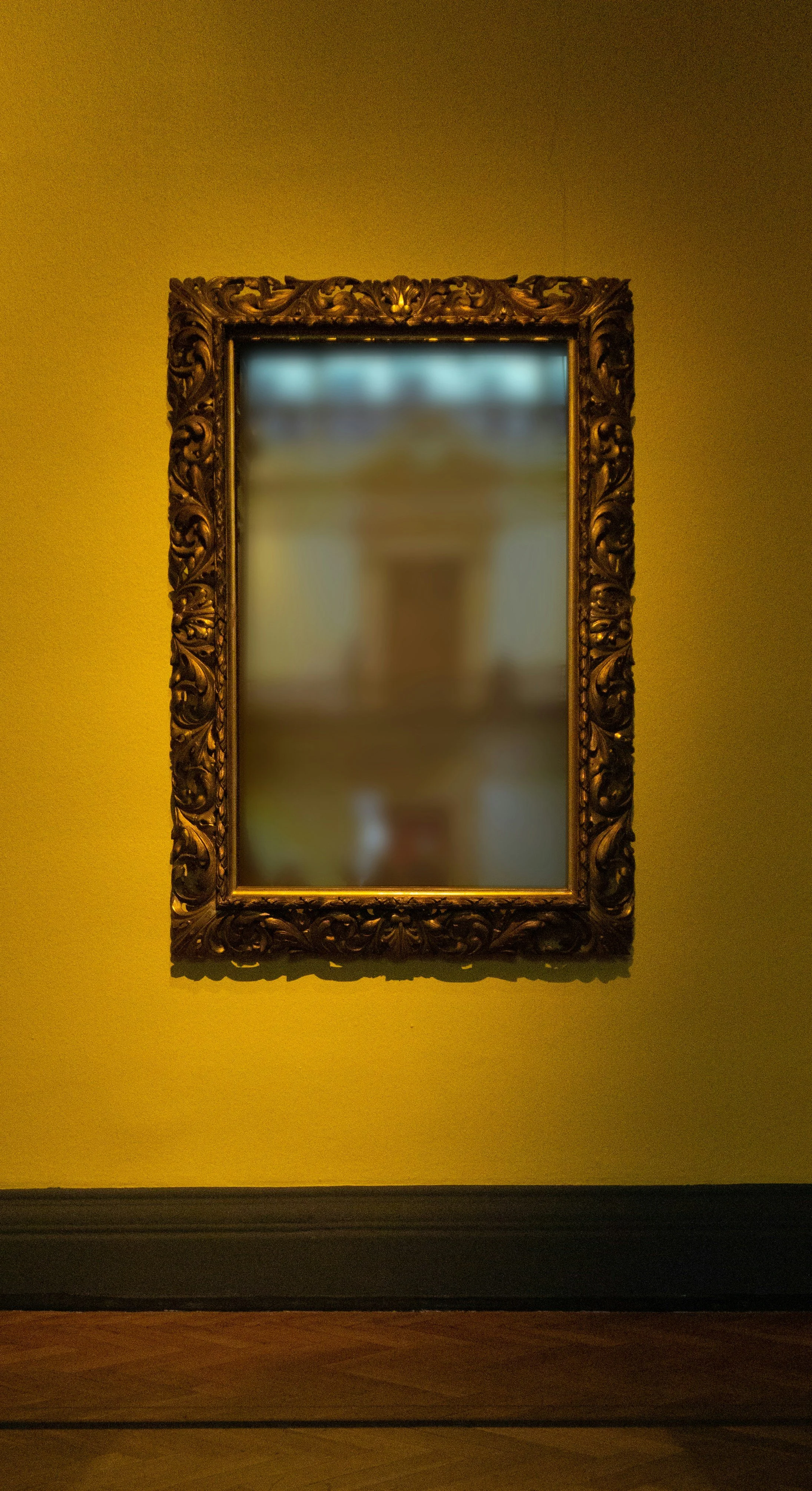
Why does resentment cause so much heartache? Because unlike a sudden flash of anger, resentment is an emotion we actively keep alive. This can exist in our endlessly trying to conclude to ourselves how a loved one could possibly be so selfish, or in our plotting vengeance on a colleague who threw us under the bus some time ago. The battle is internal; we are experiencing the emotional aching, and attempting to fight it through making it front-and-center in our minds. The result? Usually misery..
The true power of resentment doesn't actually lie in the event that hurt us. The power lies entirely in how we ourselves FRAME the event.
When someone wrongs us, crosses a boundary, or lets us down, we create a narrative around it. If we frame ourselves purely as the helpless victim of a malicious act, we lock ourselves into a rigid perspective. Every time we replay the event through that exact same frame, we re-trigger the original pain.
This can create an exhausting (although very common) cycle; let’s look at:
The Perspective: "They did this to ruin me, and they don't care."
The Internal Reaction: A toxic spike of bitterness and helplessness.
The External Move: Withdrawing, lashing out, or closing our hearts off to the world.
Over time, this loop can alter our baseline. We stop just resenting the person who hurt us; we start resenting our daily lives, our partners, our workloads, and our circumstances. The frame becomes the lens through which we view everything.
Breaking the Cycle of Reaction
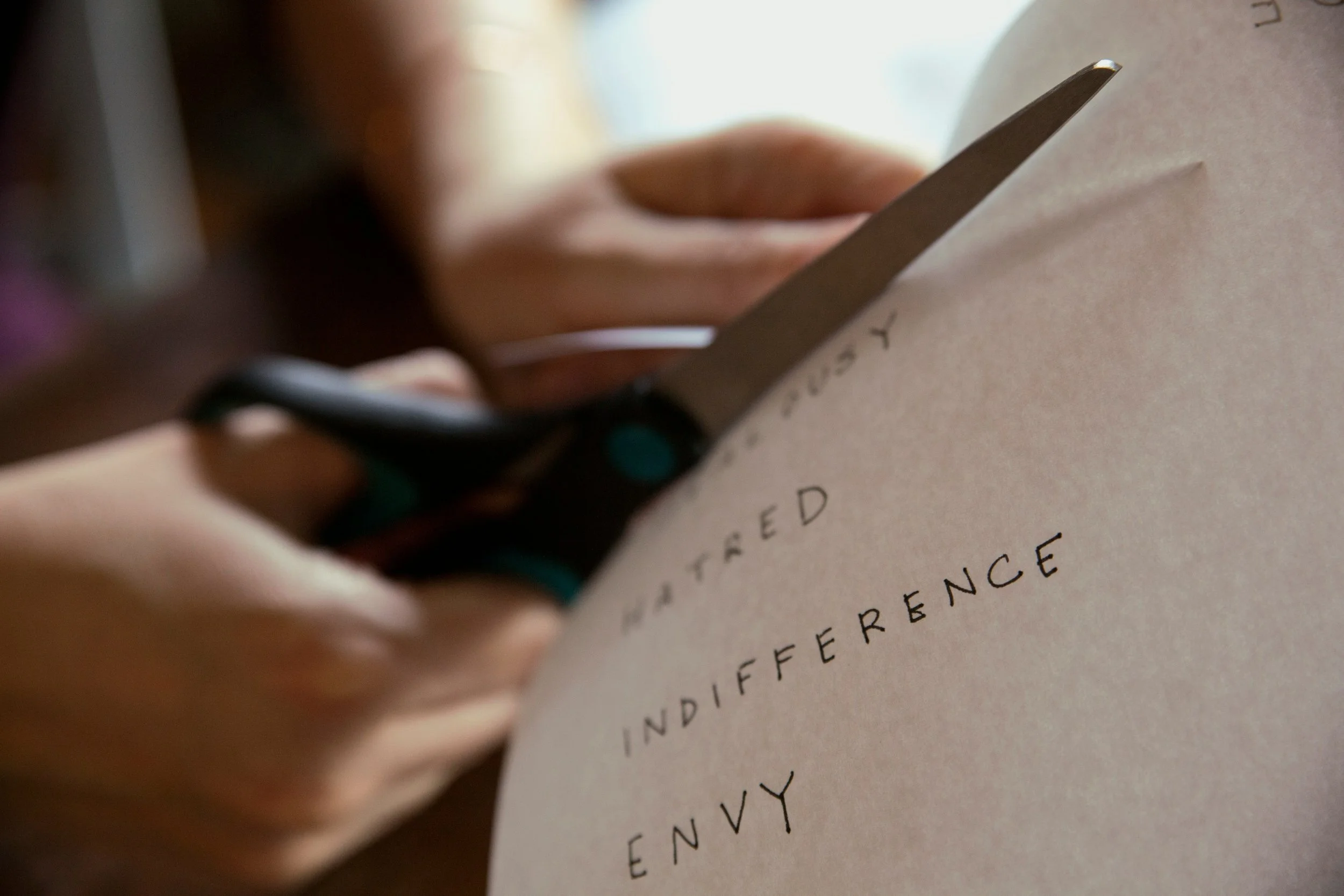
Reframing isn't about excusing someone else's poor behavior or pretending it didn’t hurt. It is an act of self-preservation.
Let me explain:
When we learn to step back and alter the frame—viewing the event perhaps as a lesson in boundaries, a reflection of the other person's own limitations, or a painful but necessary ending—we break the cycle. We change our perspective on life, taking the power back from the event and placing it firmly back into our own hands. At the end of the day, maybe the question to ask ourselves is “What’s my next right move here?” or “How could I find a solution I’d be proud to stand behind?”
If you find yourself carrying a heavy weight of resentment that you just can't seem to shake, you are not alone. And you don't have to unpack it alone. Therapy provides a safe, confidential space right here in Swords to look at the frames you are using, understand the validity of your pain, and safely break these vicious cycles of reaction.
Take the First Step
At EOC Counselling & Psychotherapy, I support adults navigating complex emotions, relationship difficulties, and emotional burnout.
If you would like to explore how reframing can help you reclaim your peace of mind, you can book a free 15-minute phone consultation directly through my website at eocpsychotherapy.online.
Let's talk.
